

How long does a cat with FIP need to be treated?
The treatment duration for feline infectious peritonitis (FIP) depends on the type of therapy, disease form (wet or dry), and the cat’s response. Below is a detailed breakdown based on current veterinary standards and clinical practices:
I. Core Treatment Protocols
1. Antiviral Therapy (GS-441524 or GC376)
- Standard Duration:
- Minimum 84 days (12 weeks): This is the gold standard for both wet and dry FIP, supported by clinical trials.
- Extended Courses (120+ days): Sometimes recommended for severe cases (e.g., neurological/ocular involvement, relapses, or slow response).
- Rationale:
- FIP is caused by a mutated feline coronavirus (FCoV). Antivirals target viral replication, but prolonged treatment is needed to suppress the virus and allow immune recovery.
- Shorter courses (e.g., 4–6 weeks) increase relapse rates (up to 50%), especially in cats with advanced organ damage.
2. Supportive Care Duration
- Concurrent with Antiviral Therapy:
- Fluid management (for wet FIP), nutritional support, and treatment of secondary infections (e.g., antibiotics for secondary bacterial infections) are provided throughout the antiviral course.
II. Factors Influencing Treatment Length
1. Disease Form and Severity
- Wet FIP (Effusive):
- Standard 84 days: If fluid resolves within 2–4 weeks and clinical signs improve.
- Extended to 120 days: For cats with persistent ascites/pleural effusion, severe anemia, or multi-organ involvement.
- Dry FIP (Non-effusive):
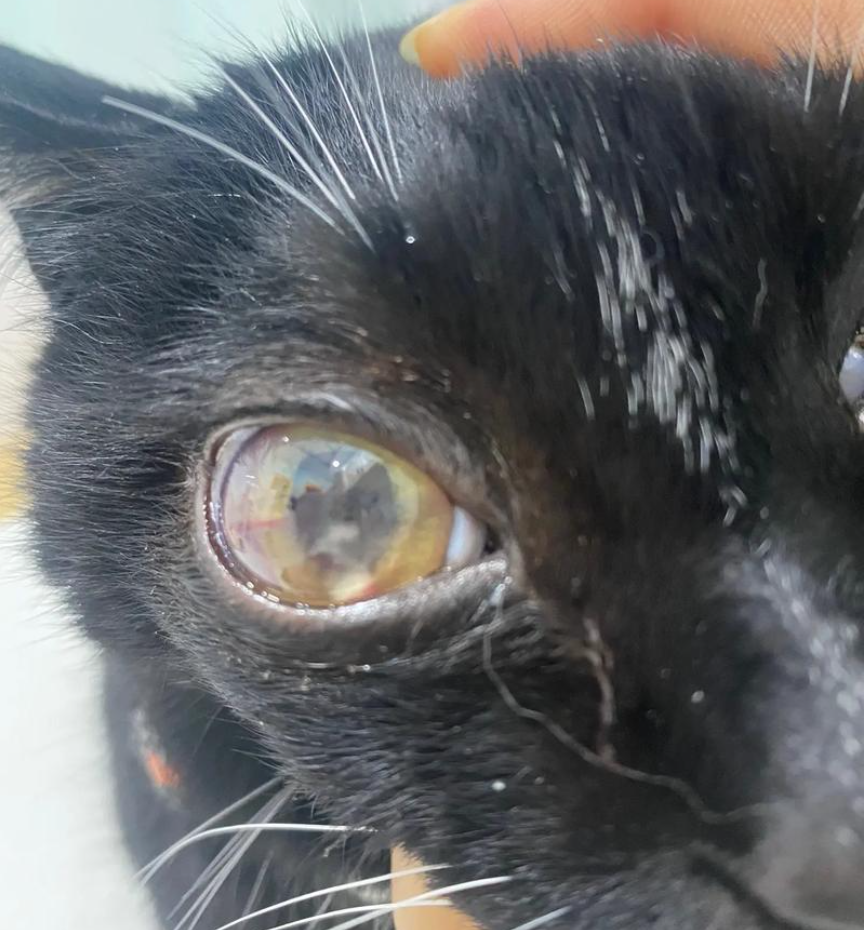
- Neurological/Ocular FIP:
- Treatment often extends to 120–160 days due to the blood-brain/ocular barriers, which require longer viral suppression.
- Examples: Cats with seizures, ataxia, or retinal detachment may need 4–5 months of therapy.
- Mild Systemic Dry FIP (e.g., lymphadenopathy, mild organomegaly):
- May respond to 84 days if signs resolve quickly.
- Neurological/Ocular FIP:
2. Response to Treatment
- Early Positive Signs (2–4 weeks):
- Reduced fever, improved appetite, and decreased fluid accumulation (for wet FIP) indicate a good prognosis, allowing standard 84-day courses.
- Slow Response or Relapse:
- If fever persists beyond 10 days, or signs return after initial improvement, treatment may be extended by 4–8 weeks.
- Relapses typically occur within 2–4 weeks after stopping therapy, necessitating re-initiation of a full course.
3. Age and Immune Status
- Young Kittens (<4 months):
- Higher relapse rates due to immature immune systems; some protocols recommend 120 days as a precaution.
- Immunocompromised Cats:
- Cats with concurrent illnesses (e.g., feline leukemia virus, feline immunodeficiency virus) may require longer treatment to prevent viral reactivation.
III. Monitoring During Treatment
1. Key Checkpoints
| Time Point | Assessment Focus |
|---|---|
| Week 2–4 | Fever resolution, appetite improvement, fluid re-evaluation (wet FIP), weight gain |
| Week 6–8 | Organ function (blood work: A/G ratio, liver/kidney enzymes), ocular/neuro signs |
| Week 10–12 | Final clinical evaluation; decision to discontinue or extend therapy |
| Post-Treatment (2–4 weeks) | Monitor for relapse (fever, weight loss, new symptoms) |
2. Laboratory Markers
- A/G Ratio: Normalization (target >0.8) is a key indicator of recovery.
- Serum Globulins: Decreasing globulin levels suggest reduced inflammation.
IV. Post-Treatment Surveillance
- Minimum 12 Weeks of Observation:
- Cats are monitored closely after stopping antiviral therapy to detect relapses, which often present with fever, weight loss, or renewed organ signs.
- Long-Term Prognosis:
- Cats that complete 84 days without relapse have a >85% survival rate at 1 year, especially if they regain normal weight and organ function.
V. Treatment Challenges and Considerations
- Injection vs. Oral Therapy:
- Subcutaneous Injections (GS-441524): Standard route for 84 days; oral formulations are experimental and may require longer durations due to lower bioavailability.
- Cost and Compliance:
- Long treatment courses (e.g., 120 days) increase financial burden but are necessary to prevent relapse.
- Supportive Care Integration:
- Nutritional support (high-protein diets) and stress reduction are critical throughout treatment to aid immune recovery.
VI. Summary Treatment Timeline
| Scenario | Recommended Duration | Rationale |
|---|---|---|
| Wet FIP (mild to moderate) | 84 days | Fluid resolution within 2–4 weeks; stable clinical improvement |
| Wet FIP (severe with organ failure) | 120 days | Prolonged viral suppression needed for organ repair |
| Dry FIP (neurological/ocular) | 120–160 days | Cross-blood barriers require extended therapy; higher relapse risk |
| Relapsed FIP (any form) | 84–120 days (re-treatment) | Re-initiate full course with possible dose adjustment |
VII. Key Takeaways
- Minimum 84 days is non-negotiable for most cases to achieve viral suppression and prevent relapse.
- Personalized Adjustments: Work with a veterinarian to tailor treatment based on the cat’s response, using clinical signs and lab data as guides.
- Early Intervention: Cats diagnosed and treated within the first 2 weeks of symptoms have shorter, more successful courses.
Note: FIP treatment protocols are evolving; consult a veterinary specialist for the latest guidelines, especially for complex cases.